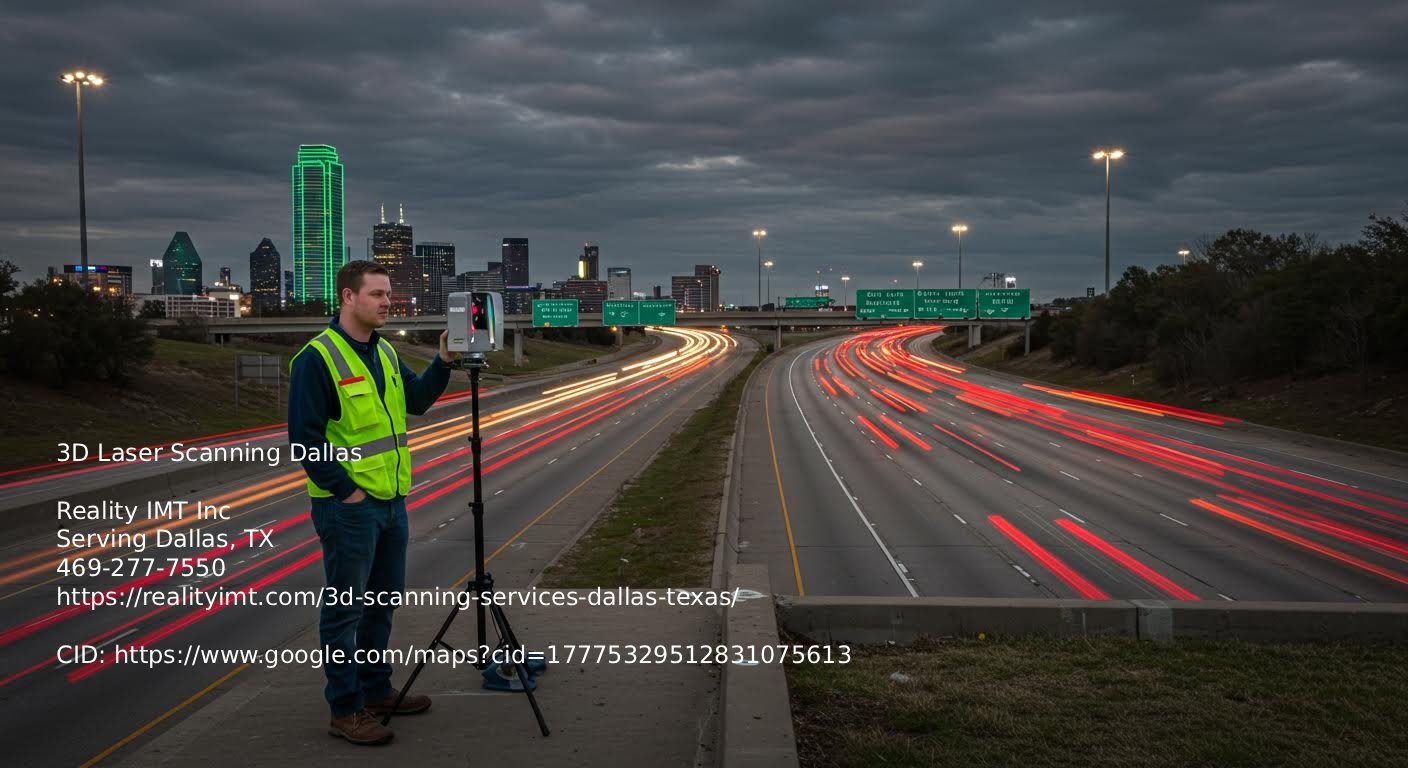
3D laser scanning quickly captures the exact dimensions and layout of a commercial building. In Dallas, it's a popular method for creating as-built surveys. Architects, general contractors, and engineers use it to get reliable data before starting design or renovation work. The scanner collects millions of data points, known as a point cloud, to create a detailed digital model. When precision matters most in your construction plans 3D building scanning Dallas TX delivers high-precision models that help reduce errors and streamline project workflows.. It records walls, ceilings, MEP systems, and structural elements with more precision than tape measures or manual sketches.
This matters for commercial offices. Facility managers and space planners need current floorplans to make smart decisions about tenant improvements, HVAC work, or layout changes. Relying on old drawings or inconsistent field measurements can lead to delays, change orders, and budget problems. 3D scanning helps avoid that. Everyone starts with the same accurate data.
Scanning usually happens before design starts or right after demolition during a renovation. It’s non-intrusive and often takes less than a day for standard office floors. The data then becomes 2D CAD drawings or 3D Revit models. One common mistake is skipping the scan and assuming the building matches the original plans. It often doesn’t, especially in older buildings with undocumented changes.
In Dallas, where commercial real estate moves fast, current and accurate as-built data helps projects stay on track. Whether it’s a downtown high-rise or a warehouse in the Design District, 3D laser scanning gives teams a clear starting point. No guesswork. Just measured data.
In commercial projects, especially in Dallas where office renovations happen often, accurate as-built data is a must. Architects, engineers, and contractors need precise measurements to design, build pre-fab components, and coordinate systems like HVAC, electrical, and plumbing. If the as-builts are off, everything else can go wrong. Think delays, extra costs, and wasted time. Even a misaligned wall or wrong ceiling height can force a redesign during construction.
3D laser scanning helps fix that. It captures exact dimensions of walls, floors, columns, and MEP systems with millimeter accuracy. When space is tight or you're adding new systems to old buildings, that precision matters. In commercial spaces, mistakes cost money.
Facility managers and engineers use digital models to plan maintenance and upgrades. You can measure remotely, find systems, and plan changes without old blueprints or constant site visits. In Dallas, where buildings change hands and layouts often, staying current saves time and lowers risk.
A common mistake is trusting old drawings or manual measurements. They often miss things like wall offsets, sloped floors, or odd ceiling heights. 3D laser scanning finds those details. So instead of guessing, you start with real data. That helps you avoid surprises later.
Higher resolution means more data points per square inch, which makes the point cloud more detailed. In commercial office surveys, this helps capture small features that might get missed. But it also creates larger files and longer processing times. Match the resolution to the project. Using ultra-high settings for a simple floorplan wastes time and storage. Poor resolution choices can leave gaps or blur details, which makes renovation planning harder.
Each scanner has a limit. Go beyond it, and accuracy drops fast. In large spaces like lobbies, a short-range scanner might miss ceilings or far walls. Push it too far, and you’ll get noisy or incomplete data. Here is why planning matters. Stay within the scanner’s range and overlap scans from different spots to avoid blind spots and keep the data consistent.
Scanners send out light pulses and track the bounce-back, so surface type matters. Shiny surfaces like glass or metal can scatter the beam and create false points. Matte surfaces give cleaner results. In buildings with glass walls or metal ducts, you need to adjust. Tweaking scanner settings or placing targets can help reduce noise.
Lighting doesn’t affect scanners, but temperature, humidity, and dust do. High humidity can block laser signals. Dust or fog scatters the beam and lowers accuracy. On busy job sites or in old buildings, these problems show up fast. Try scanning during off-hours or use fans to clear the air. That keeps your data clean.
Scans must align to form one model. If targets are off or scans don’t overlap enough, the software may misalign them. Even small errors shift walls or fixtures in the final model. In commercial spaces, a few inches can cause big problems. Double-check the results and use control points to keep everything accurate.
Start with site access. Without it, nothing else moves forward. Talk to building management early. Confirm when crews can be on-site, whether power is available, and if areas need to be cleared. Furniture or active tenants can block scan lines and cause errors.
Scan position count matters too. Don’t try to cover too much with too few scans. Gaps show up around columns, stairwells, or glass walls. Plan for line-of-sight limits. More overlap improves accuracy during processing. In commercial offices, expect 50 to 100 scan positions per floor, depending on layout and features.
Quick recap: access, settings, coverage, and communication. Miss one, and your “as-built” might not match reality. In renovation work, bad data causes delays, redesigns, and change orders. No one wants that mid-project.
Next is scan resolution. You don’t need high resolution everywhere. Use medium settings for general walls and open areas. Go higher in mechanical rooms, tight corridors, or ceiling spaces. Balance file size with detail. Too much scanning wastes time and storage. Too little means rework—and that costs more.
Coordination between AEC teams often gets overlooked. Structural, MEP, and architectural teams need different data. Agree on what to capture before scanning starts. If the MEP team needs above-ceiling data but no one arranged ladder access or removed tiles, you’re stuck. You won’t get a second shot once the scanner’s packed up.
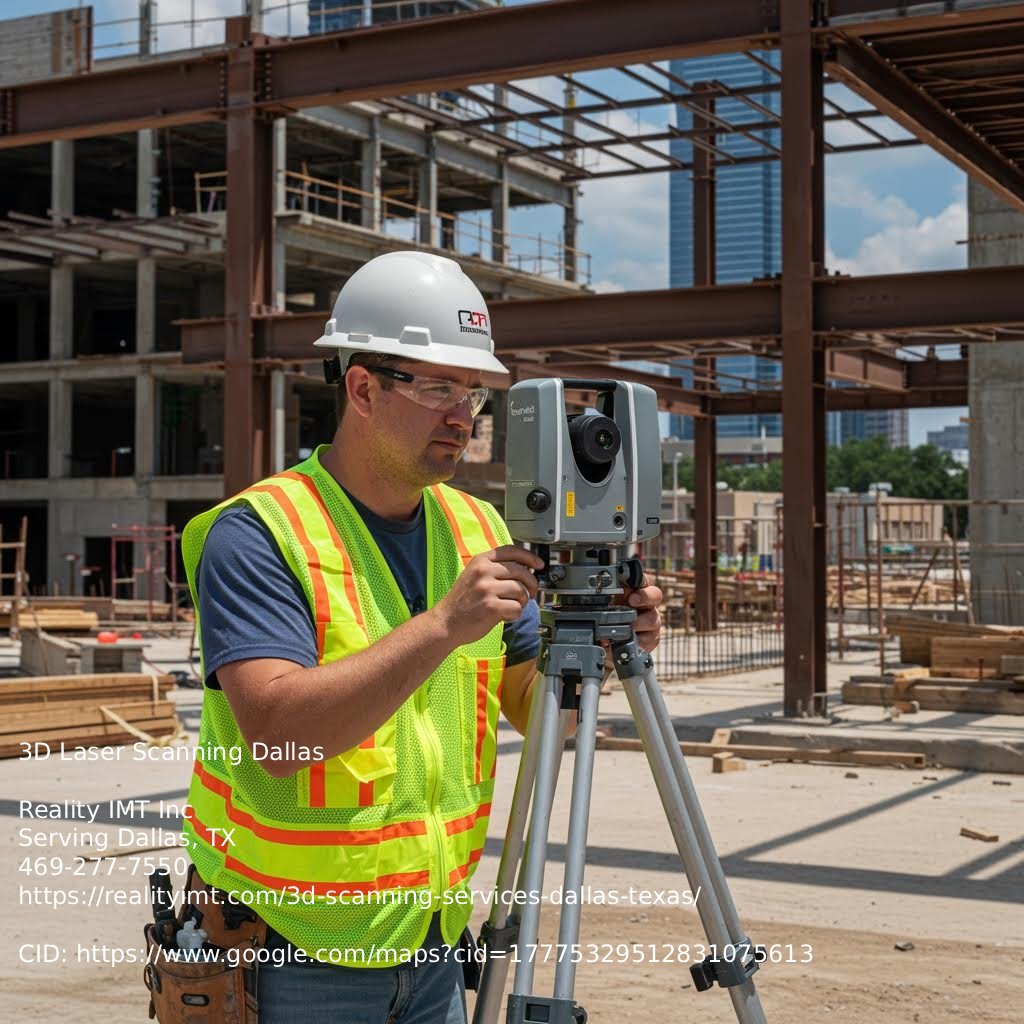
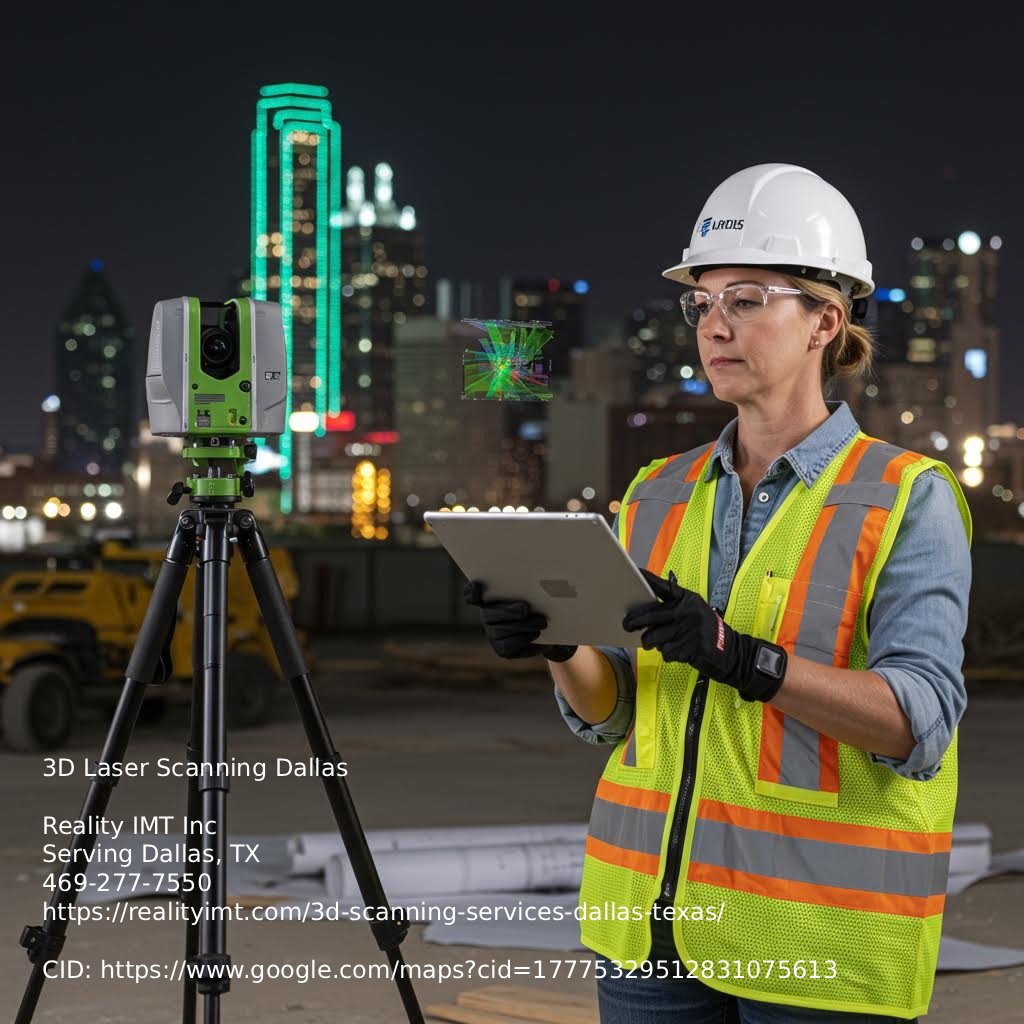
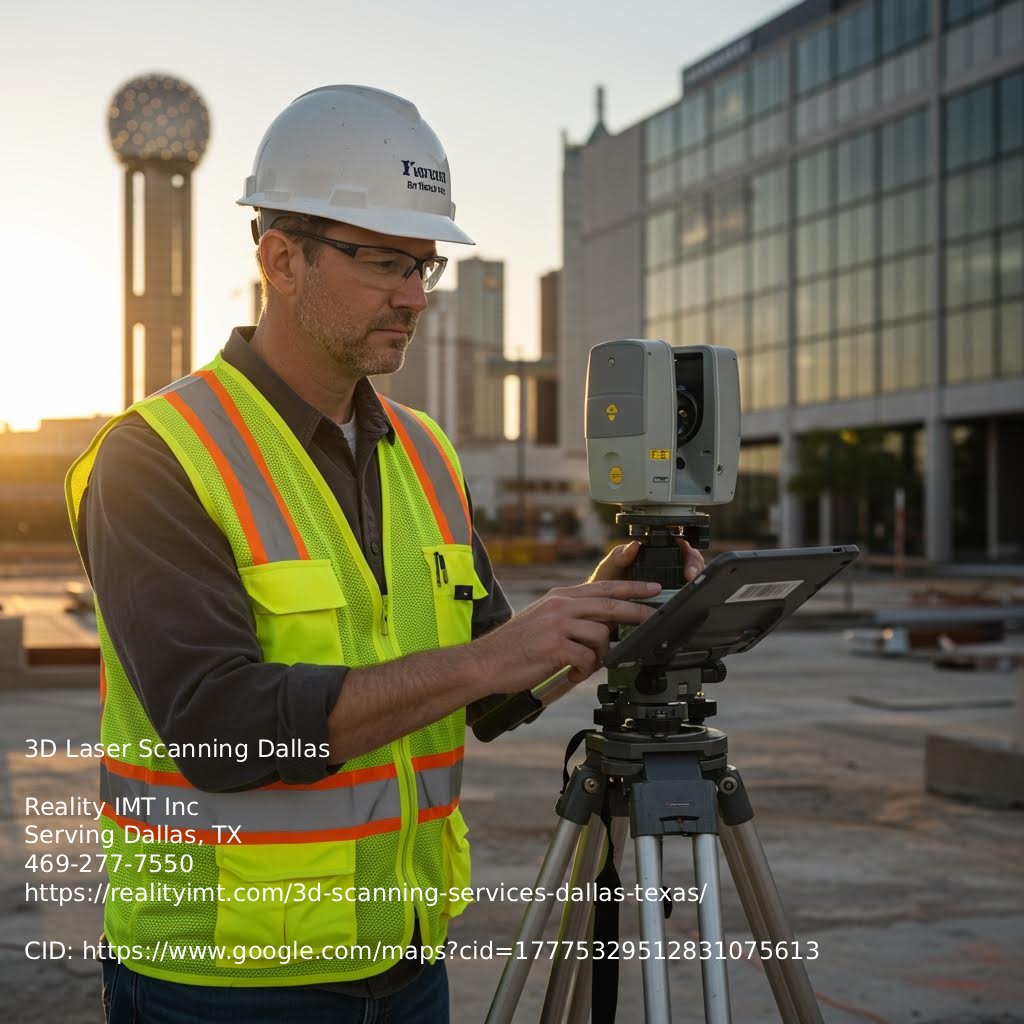
In office buildings around Dallas, 3D laser scanning helps capture accurate as-built data. But the environment can cause problems. One common issue is lighting. Laser scanners don’t need light to capture geometry, but poor lighting still makes it harder to align scans or move around safely. Portable lighting helps, especially in basements or areas without power.
Obstructions are another problem. Desks, cubicles, storage, and foot traffic can block the scanner’s view and leave gaps in the data. The best fix is to scan during off-hours or before furniture arrives. If that’s not an option, take scans from more angles or move things out of the way.
Reflective surfaces like glass, polished floors, and metal can confuse the scanner. The laser bounces around and creates noise or missing data. You can’t stop reflections completely, but you can reduce them. Try adjusting the scanner’s angle or covering shiny surfaces with something matte. Some scanners also have settings that filter out bad data.
Scan resolution matters too. Higher resolution gives more detail but takes longer and creates larger files. For office surveys, find the right balance. Too low, and you miss details. Too high, and the files get hard to use in Revit or AutoCAD. Match the resolution to what the project needs.
Mistakes lead to rework. And in commercial buildings, that’s expensive. Plan ahead to avoid these issues.

For commercial scanning projects in Dallas, accuracy starts with a clear quality assurance and control process. This goes beyond checking if the point cloud looks good. The scan data must match real-world dimensions within the required tolerance. Clients working on tight renovation schedules or managing assets need reliable data to avoid surprises later.
First, check if the scanning provider follows standards like those from the U.S. Institute of Building Documentation (USIBD). These cover accuracy levels, file naming, and metadata. If your team doesn’t follow a known standard, ask how they measure and document accuracy. Also ask what level of detail (LOD) and accuracy (LOA) they deliver.
During scanning, crews should survey control points using total stations or GNSS gear, especially for large properties. This step ties scans to real-world coordinates and keeps data consistent. After registration, the team should give you a QA/QC report with error stats, alignment images, and notes on any gaps or blocked areas.
Clients in Dallas can also ask for third-party checks or on-site spot measurements. This isn’t overkill. It’s smart, especially when the data supports structural redesigns, MEP changes, or space planning. Skipping this step can lead to bad models, wasted time, and extra costs.
In Dallas, commercial 3D laser scanning is gaining traction in projects where precision matters. Take a multi-floor office renovation downtown. The original plans didn’t match the actual structure—ducts had shifted, and columns were off by inches. The contractor brought in a scanning team before demolition. Within 48 hours, they had a full point cloud and accurate floor plans. That avoided weeks of rework during MEP rough-in.
Historic preservation projects also benefit. One job in the Bishop Arts District involved restoring a 1920s brick warehouse. The building had settled unevenly. Laser scanning captured the exact shape, including subtle wall bowing and floor slope. That data helped engineers design structural reinforcement without damaging original materials. Without it, they would’ve guessed or overbuilt, risking extra work.
For MEP verification, scanning compares installed systems to design models. A hospital expansion in North Dallas used weekly scans during construction. At one point, a clash between electrical conduit and HVAC ducting was caught early—before drywall went up. Fixing it then cost a few hundred dollars. Waiting would’ve meant thousands in tear-out and delay.
Even smaller space planning jobs—like converting open offices into private suites—benefit. One local property manager uses scanning to document ceiling heights, window placements, and slab penetrations before leasing space to tenants with custom build-outs. It saves time and gives architects a solid base. No surprises halfway through construction.
In commercial projects, accuracy matters. If the as-built data is off, designs won’t match, prefabricated parts won’t fit, and delays hit both schedules and budgets. 3D laser scanning helps prevent that. In places like Dallas, where renovations often happen in active buildings, getting precise measurements early makes a big difference.
The scanners capture millions of points in minutes, creating a point cloud that shows the site’s exact layout. Walls, floors, HVAC runs, pipes—everything gets recorded as it actually is, not as it was drawn years ago. Engineers and architects can then work with verified data, not guesses.
Paying more for accurate scanning—especially with experienced crews—can save weeks later. Measurement errors lead to rework, permitting delays, and field fixes that slow everything down. Some mistakes even cause safety issues or code problems.
The data also helps beyond design. Facility managers can use it for tracking assets, planning space, and handling maintenance. It becomes a digital snapshot of the building at a specific time. That helps owners managing several properties, especially when systems change or tenants rotate.
Here is why it matters: precise scans cost more, but fixing mistakes costs more than getting it right the first time.
For commercial projects in Dallas, accurate as-built survey data is a must. 3D laser scanning captures real-world conditions with millimeter-level precision. This helps when renovating a multi-story office or coordinating MEP systems in tight ceiling spaces. The scanner collects millions of data points in minutes. That point cloud becomes a reliable digital snapshot of what’s actually there—not just what the original drawings show.
Accuracy comes down to a few things. First, plan your scans well. Choose locations that reduce blind spots and cover the full area. Second, use well-maintained, calibrated equipment. Third, process the data correctly—register scans, filter out noise, and align to control points. Skip any of these, and you risk errors that can throw off models or lead to rework.
Here is why this matters. If you're a property owner, architect, or facility manager in Dallas, you need to fit scanning into your workflow. Planning a tenant improvement? Scan before design starts. Managing a building? Use scan data to update floorplans or track mechanical systems. Bidding on a renovation? Accurate data helps prevent surprises later.
The tools work. The accuracy holds. But only if you follow the right steps. That’s where skilled scanning teams come in.
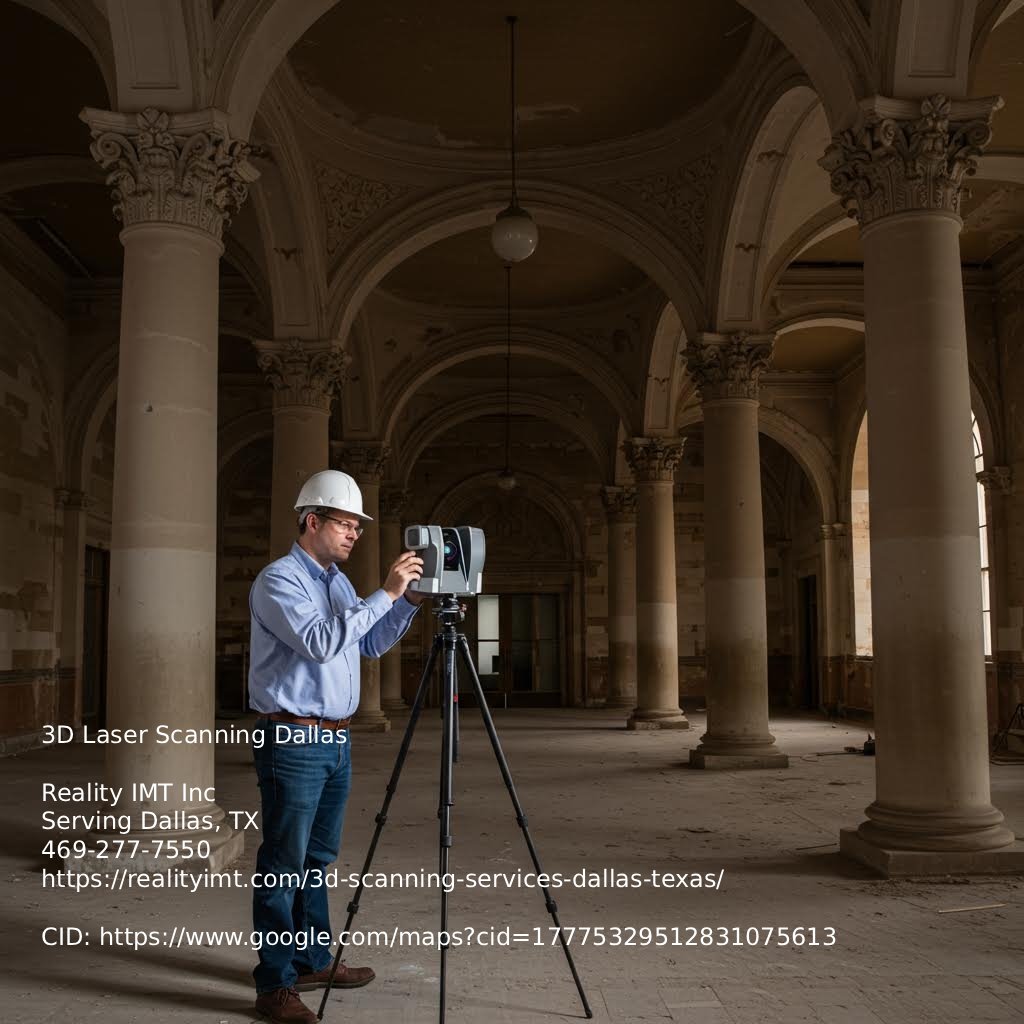
If you manage a commercial property in Dallas and need accurate building data for renovation, maintenance, or design changes, start with 3D laser scanning. It captures exact measurements, even in tight or complex spaces, and creates a point cloud or 3D model your team can use. Architects, engineers, and contractors no longer need to guess or measure by hand.
In commercial offices, this means you can document every wall, ceiling, column, and utility run with sub-inch accuracy. That helps with tenant improvements, HVAC updates, and structural changes. Relying on old floor plans or manual measurements often leads to missed details, delays, and costly rework.
The tech isn’t the issue. The operator is. Some don’t align scans well, skip areas, or rush through. That’s why you need a team that works in commercial settings. In Dallas, experienced scanners can usually deliver a full as-built survey in a few days, depending on the size and layout.
Planning a renovation or need to check building conditions? Reach out to a team that scans commercial spaces. Look for experience with office interiors, MEP systems, and coordination with design and construction crews. A clean, usable model depends on who’s behind the scanner.